
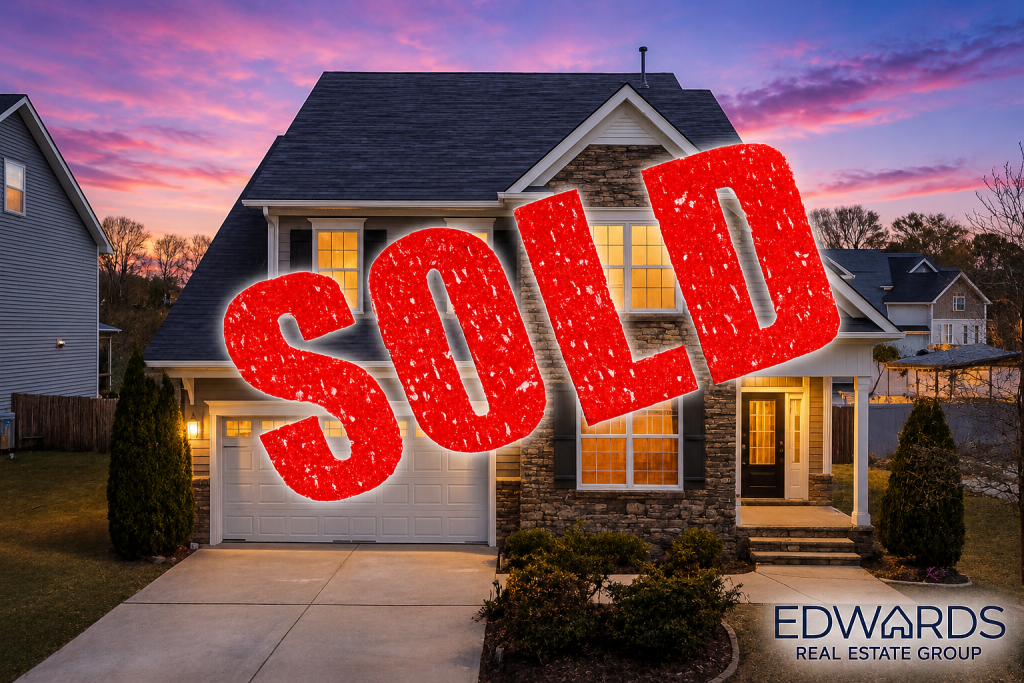
Many Cary and Raleigh sellers mistakenly believe the key to a successful sale lies solely in perfect market timing. They aim to list during the optimal week, hoping to capture a surge of buyers and replicate past successes. While understandable, this focus on timing often overlooks a more potent strategy.
The real advantage in today’s competitive real estate landscape isn’t about catching the perfect wave; it’s about being significantly more prepared than the competition.
In this market, the quiet advantage is being More prepared than the homes you are competing against.
This might not sound as glamorous as timing the market, but it’s the crucial factor that can help your home sell faster and for a better price.
Current market conditions are different. Unlike a year or two ago, sellers can no longer rely on the market doing the heavy lifting. National forecasts, like Realtor.com’s 2026 prediction of a nearly 9% inventory increase and modest price growth around 2.2%, and Redfin’s outlook for a “long, slow recovery,” indicate a shift. This means fewer bidding wars and more discerning buyers.
When buyers have more choices, they become more selective. They compare properties more closely, hesitate longer, and notice every detail. It’s no longer just about liking a house; it’s about liking it more than the other options they’ve seen this week.
That is where sellers start losing ground if they aren’t careful.

The quiet advantage isn’t a trick or a gimmick; it’s the result of meticulous preparation. It means pricing your home based on current, local competition, not outdated neighborhood anecdotes. It involves addressing the issues buyers will notice and ensuring your home is clean, bright, and decluttered before listing. This proactive approach prevents your listing from becoming stale after numerous showings yield no offers.
This fundamental preparation is often skipped, but its importance is amplified by current buyer affordability pressures. With average 30-year fixed mortgage rates hovering around 6.51% (as of May 21, 2026, per Freddie Mac), buyers are carefully calculating their monthly payments. A home that requires immediate repairs or updates will seem less appealing when budgets are already stretched thin.
That’s why a home that feels move-in ready and easy to manage naturally attracts more attention than one perceived as a project, regardless of its “potential.” Buyers respond to visual appeal and the feeling a home evokes, not just the seller’s explanations.
Presentation matters more than a lot of owners want to admit.
A meticulously clean, well-lit, and uncluttered home with no obvious deferred maintenance has a distinct edge. Buyers are cautious due to the high costs of mortgages and repairs. A home that feels easier and safer to move into will stand out.
This principle extends to pricing. Sellers who list too high and “wait and see” often find their homes lingering on the market. Price reductions become necessary as the initial asking price misses the mark. In our Triangle MLS alone, over 3,500 price drops occurred in the last 10 days, with over 7,500 in the past 30 days, highlighting the prevalence of this issue.
Realistic pricing isn’t a defensive strategy; it’s a strength. It preserves momentum, protects the crucial first impression, and prevents the strongest period of your listing from being wasted on correcting an inflated price.
The most successful sellers today understand that with increased inventory and slower price growth in Cary and Raleigh, competition is direct and visible online. They aren’t chasing headlines or fixated on past sales figures from hotter markets. They recognize their home is being actively compared against others in real-time.
This reality transforms the selling process. The goal shifts from simply listing a home to actively making it the buyer’s top choice.
Achieving this involves easily overlooked details: enhanced photography, improved lighting, minimal clutter, a competitive price, a fresh scent, pre-addressed repairs, and a visually appealing layout. A listing that feels polished and ready, not merely hopeful, makes a significant difference.
Sellers who disregard these elements often fall into a frustrating cycle: blaming the market, reducing the price, making updates, and wondering why interest wanes. By then, the market has already formed a negative opinion.
This is why mastering the quiet advantage is so critical today. It builds value before the “For Sale” sign even appears, influences the first showing, and preempts buyer concerns about potential issues.
And in this market, getting ahead quietly is still getting ahead.
Useful public sources: Realtor.com’s 2026 national housing forecast is cited above via source link, Redfin’s 2026 housing predictions are cited above via source link, Freddie Mac’s mortgage rate archive is cited above via source link, the Wall Street Journal’s recent housing coverage and Forbes’ piece on asking-price decay are cited above via source link. Doorify MLS 2026.


